Electric vs wood-fired samovar
Both types do the same job: they boil water and keep the teapot hot. The difference is where the heat comes from and how that affects where you use it, how you care for it and the experience. In a wood-fired samovar the heat comes from wood burning in the central chamber; in an electric samovar, from a heater plugged into the mains.
Where you can use it
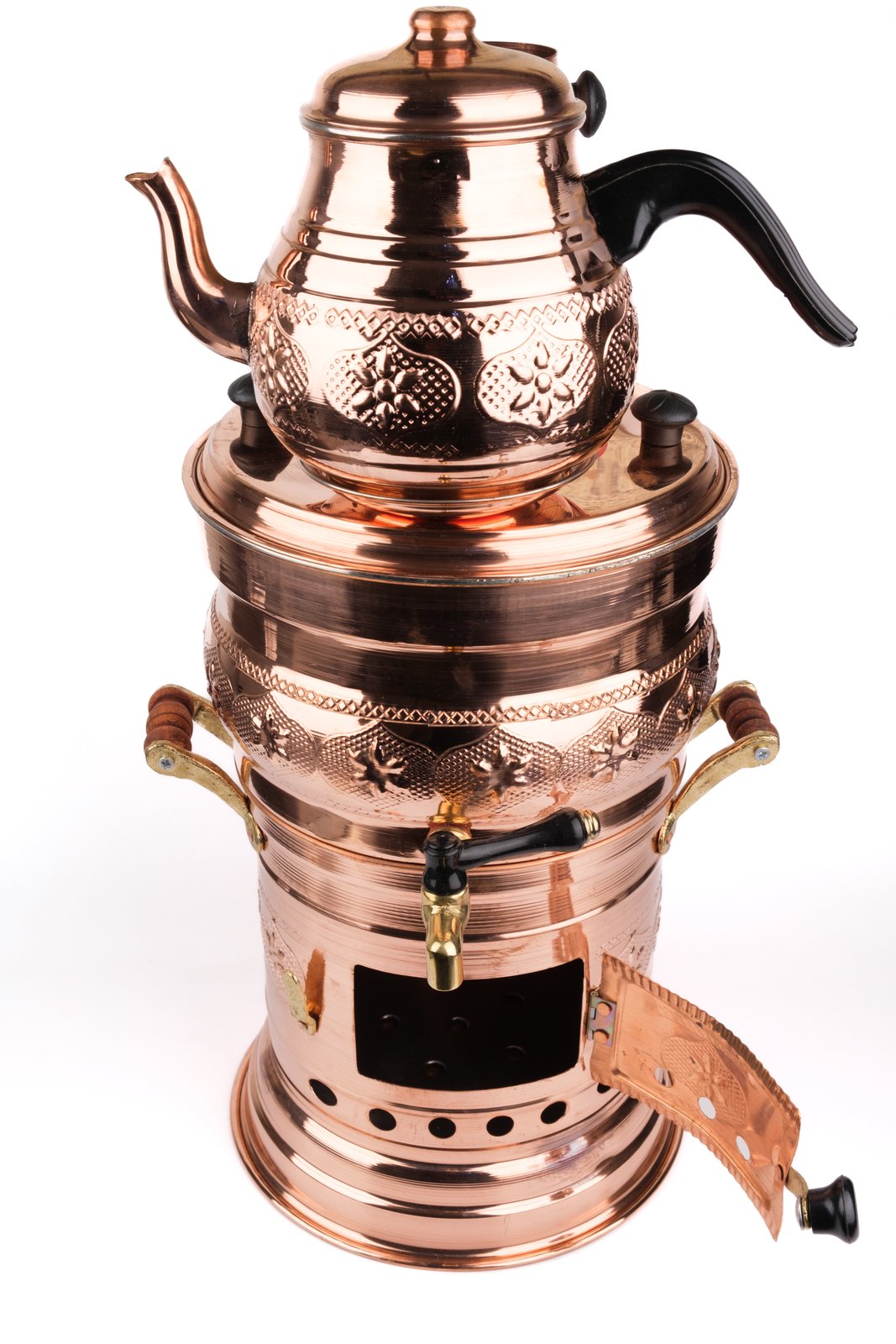
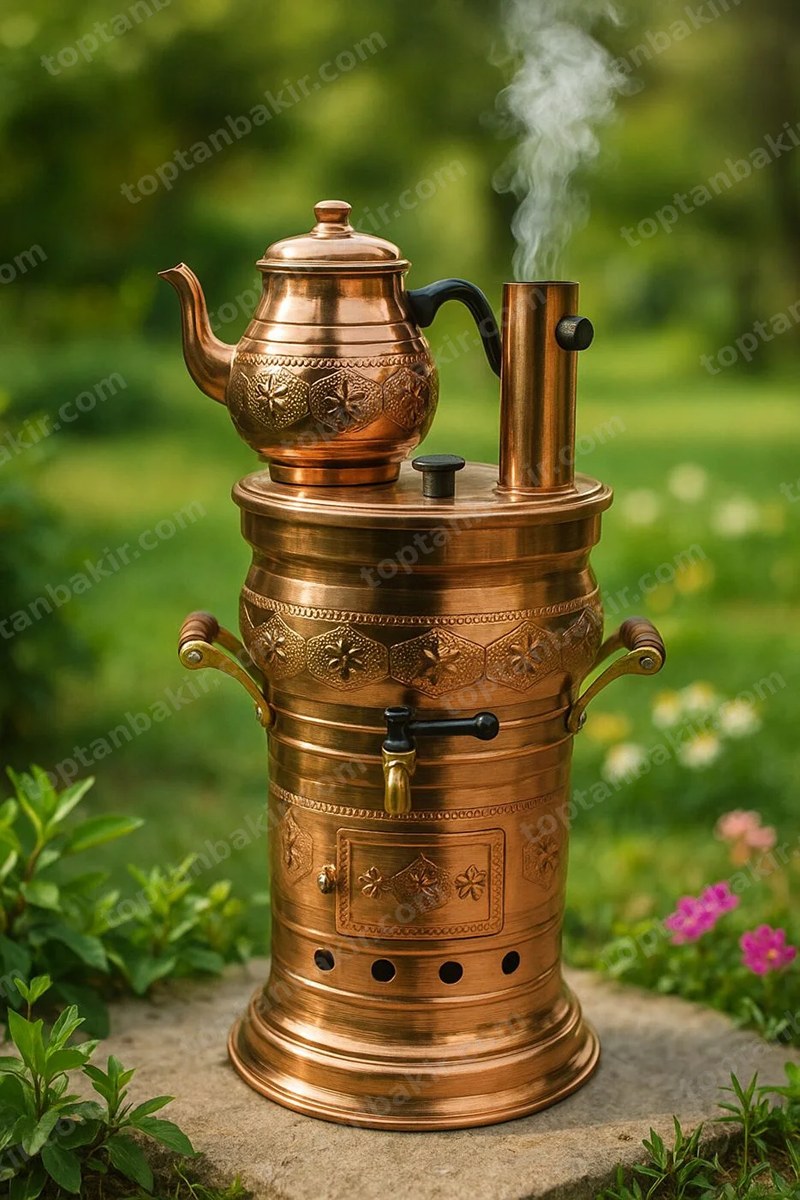
- Wood-fired samovar: only outdoors (garden, open balcony, terrace, campsite); never indoors, in a tent or on a closed balcony.
- Electric samovar: designed for indoor spaces such as homes, offices, cafés and hotels; it needs a socket.
Taste and experience
For many people, tea brewed with water boiled over a wood fire is the real pleasure of a samovar; lighting the fire, the wisp of smoke and the garden conversation are part of it. An electric samovar offers convenience instead of the ritual: press a button and the thermostat boils the water and keeps it hot.
Speed, control and safety
- Electric: thanks to the thermostat the water does not boil constantly; models with dry-boil protection switch off when the water runs out.
- Wood-fired: you control the fire; do not build it up when the water is low, never use liquid fuel and put the fire out completely.
Care
- Wood-fired copper samovar: empty the ash and dry the tank after each use; on tin-lined models, protect the tin.
- Electric samovar: needs regular descaling; the electrical parts and base must never be immersed in water.
Running cost
A wood-fired samovar runs on wood; the running cost of an electric samovar depends on its power, how long you use it and your electricity price. Use the formula in our power consumption guide to calculate it for your own use.
Which should you choose?
- If you want garden, mountain, picnic and camping tea over a wood fire: a wood-fired copper samovar.
- If you want tea ready all day at home, in the office or in a business: an electric samovar (copper or steel).
- Many families use both: electric on weekdays, wood-fired in the garden at weekends.
Frequently asked questions
Does tea taste different from electric and wood-fired samovars?
The tea itself, the water and the brewing time affect the taste most. The wood-fired samovar’s difference lies mainly in the experience: the wood fire, the open air and the conversation.
Can a wood-fired samovar be used indoors?
No. Burning wood produces smoke and carbon monoxide; only light it in open, well-ventilated places. Use an electric samovar indoors.
Do you sell electric samovars?
Our electric copper and steel models are coming soon. All samovars currently on the site are wood-fired; write to us on WhatsApp to pre-order.